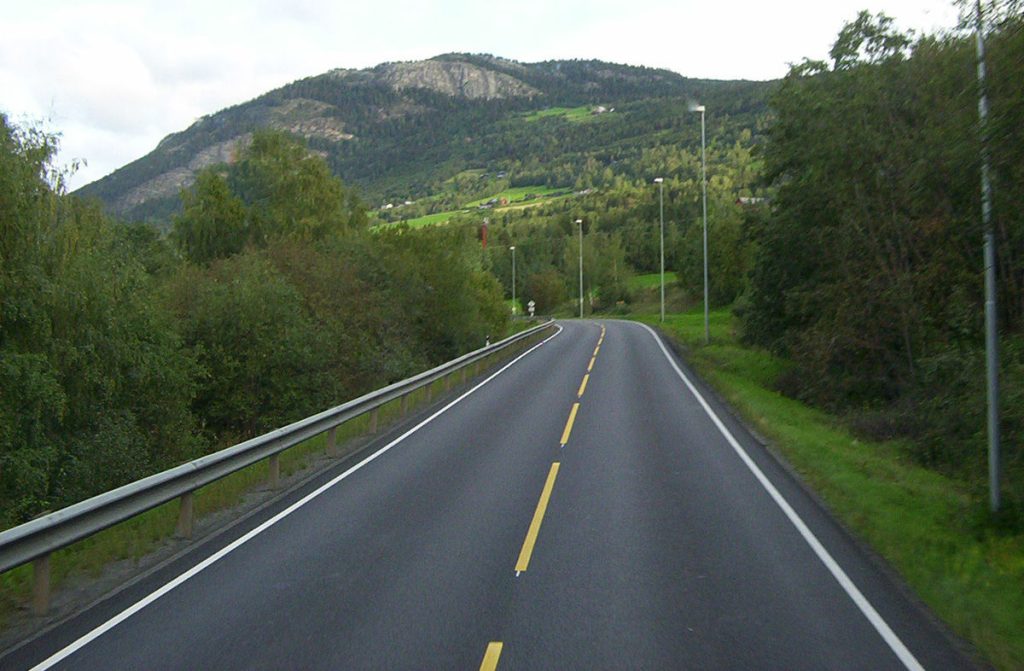
Primary Roads: Highways and arterial roads connecting major areas.
Secondary Roads: Collector and local roads within neighborhoods or business districts.
Service Roads: Provide access to properties along highways.
Water Supply
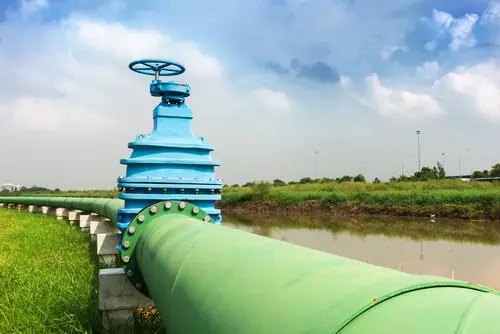
Pipelines for clean water distribution.
Storage facilities like water tanks or reservoirs.
Public Facilities
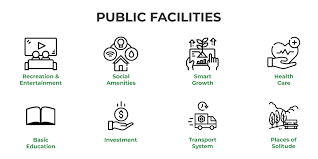
Parks, green spaces, and recreational areas.
Educational institutions, hospitals, and government offices.
Phases of Road and Infrastructure Development
Planning Phase
Surveys: Geotechnical, topographical, and traffic studies.
Design: Creating blueprints for road networks, utilities, and drainage systems.
Approvals: Securing permits and stakeholder agreements.
Construction Phase
Earthworks: Clearing, leveling, and excavating land.
Pavement Construction: Laying road materials layer by layer for durability.
Utility Installation: Laying pipelines, cables, and other infrastructure.
Finishing: Adding road markings, signage, and landscaping.
Maintenance Phase
Routine inspections and repairs (e.g., pothole filling, crack sealing).
Upgrading utilities to meet increased demand.
Repainting road markings and replacing worn-out signage.
Benefits of Well-Planned Development
Enhanced Connectivity: Improves accessibility, reduces travel time, and facilitates economic activities.
Safety and Convenience: High-quality infrastructure reduces accidents and improves quality of life.
Economic Growth: Attracts businesses, increases tourism, and boosts property demand.
Sustainability: Smart and green infrastructure promotes environmental conservation.
Scroll to Top
Talk to us
We use cookies to ensure that we give you the best experience on our website. If you continue to use this site we will assume that you are happy with it.