
Construction Materials Supply
Efficient construction material supply is a cornerstone of successful real estate and infrastructure projects. By optimizing procurement, logistics, and inventory management, project managers can ensure smooth operations while controlling costs and maintaining quality. Let me know if you'd like to explore any specific area in more detail, such as sustainable materials or supply chain optimization!
Key Construction Materials
Structural Materials
- Cement: Used in concrete, mortar, and plaster.
- Concrete: A mix of cement, sand, gravel, and water, essential for foundations, slabs, and walls.
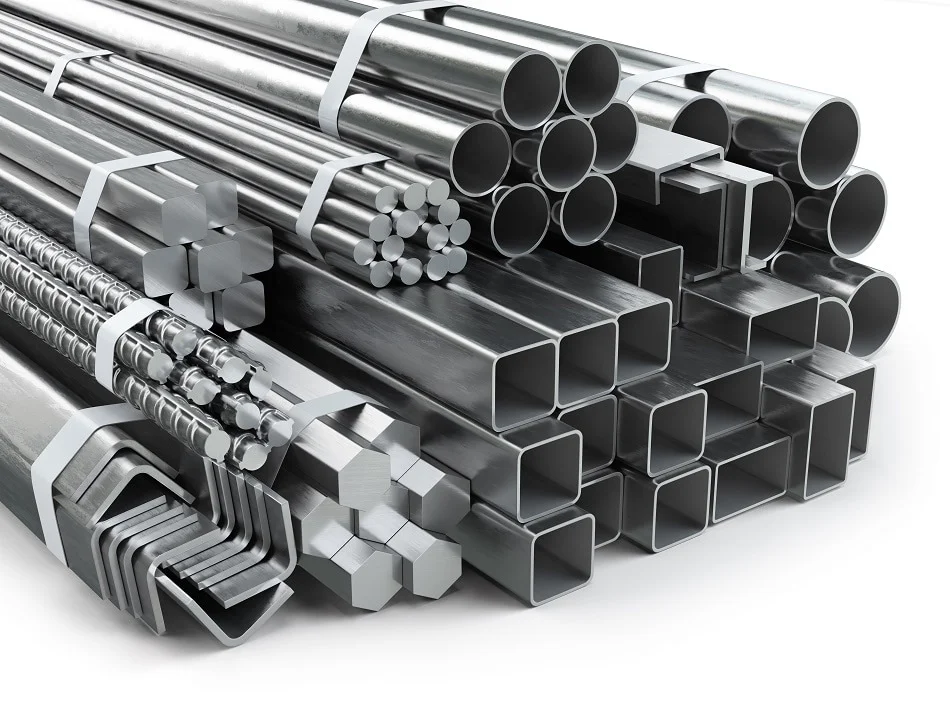
- Steel: Reinforcement bars (rebar), structural beams, and columns for strength and durability.
- Bricks and Blocks: Made of clay, concrete, or other composites for walls and partitions.
- Wood and Timber: Used in framing, flooring, roofing, and furniture.

Finishing Materials
- Tiles and Stones: For flooring, walls, and countertops.
- Glass: Windows, doors, and facades.
- Paints and Coatings: For interior and exterior finishes.
- Plaster and Drywall: For smooth wall and ceiling surfaces.
Mechanical and Utility Materials
- Pipes and Fittings: For plumbing and drainage systems.
- Wiring and Electrical Components: For lighting, power supply, and automation systems.
- HVAC Ducts and Units: For heating, ventilation, and air conditioning.

Eco-Friendly Materials
- Bamboo: Sustainable and versatile for structural and aesthetic use.
- Recycled Materials: Concrete aggregates, reclaimed wood, and recycled steel.
- Insulation Materials: Energy-efficient materials like fiberglass, foam, or mineral wool.
The Supply Chain Process
Sourcing
- Identifying reliable suppliers or manufacturers.
- Evaluating quality, cost, and lead time.
- Procuring sustainable and locally available materials when possible.
Procurement
- Negotiating contracts with vendors.
- Ordering materials in the required quantities.
- Ensuring adherence to project specifications and standards.
Logistics and Transportation
- Coordinating the movement of materials from suppliers to the construction site.
- Choosing the right transport mode (e.g., trucks, ships, rail) based on distance and urgency.
- Managing unloading and storage at the site.
Storage and Inventory Management
- Storing materials securely to prevent damage, theft, or degradation.
- Using inventory management systems to track material usage and stock levels.
- Implementing just-in-time delivery to reduce storage costs.
Quality Control
- Inspecting materials upon arrival for compliance with specifications.
- Testing materials (e.g., compressive strength of concrete or tensile strength of steel).
- Ensuring proper documentation, including certifications and warranties.